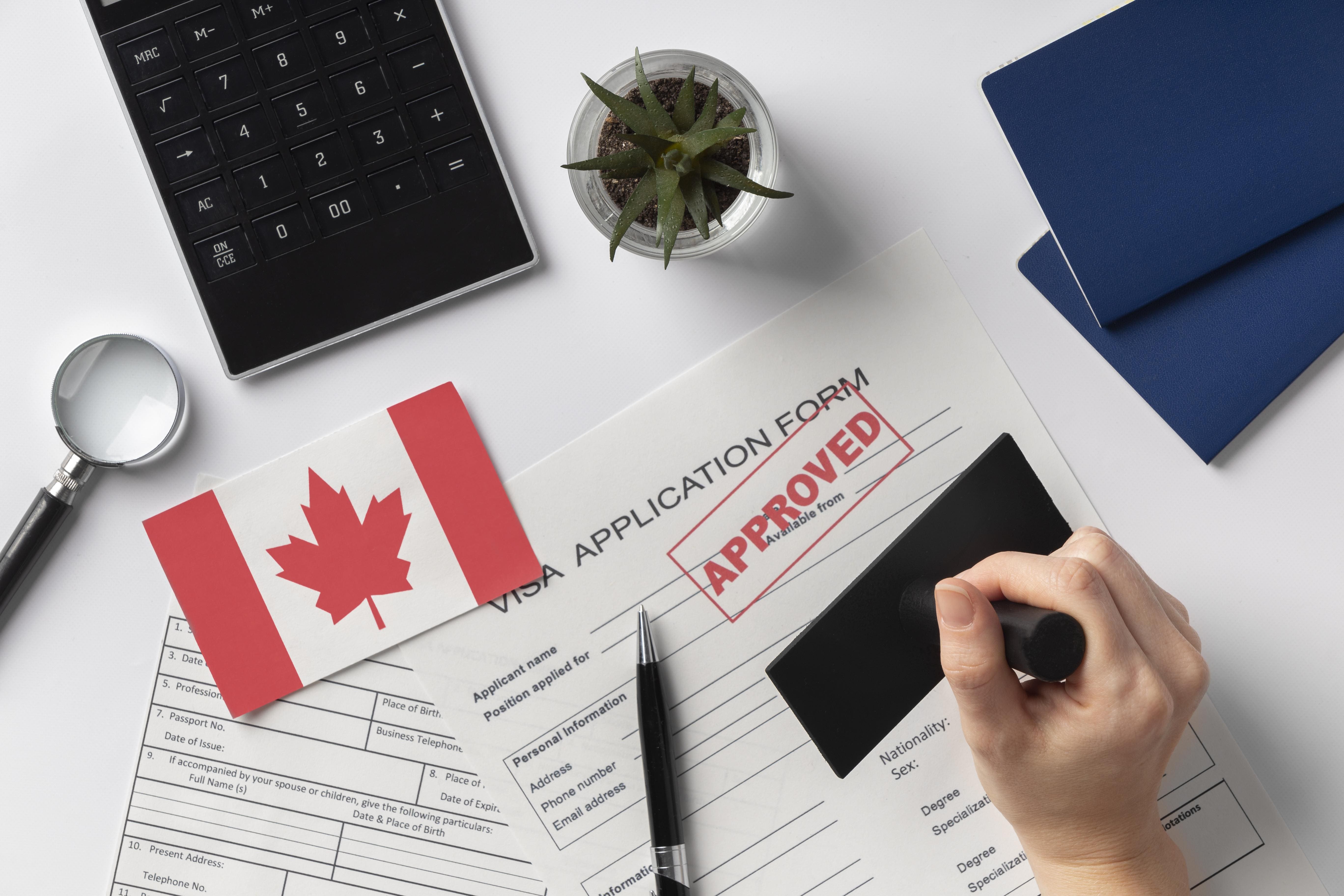

Introduction
At first, applying for a student visa to study in Canada may seem daunting; however, once you take it step by step and break down what to do to get your student visa in 2026 (the full application process), it gets much more manageable and possibly even fun! With so many Indian students dreaming of studying in Canada for its high-quality education and the ability to secure employment after completing their studies, it is very important to ensure your study visa/permit application is completed properly.
Why Canada Student Visa Matters in 2026
The term Canada student visa 2026 usually refers to the study permit, which allows someone to study and stay in Canada for the duration of their program. Before applying for your actual study permit application forms, you must have three major things established: A suitable course of study, an offer of admission from a Designated Learning Institution (DLI), a provincial or territorial attestation letter (PAL) where required, and proof that you have enough money to pay for both tuition and living expenses while in Canada. With these three items established, your study permit application will make your visa application look much stronger to any visa officer who sees it in the future.
Getting a Letter of Acceptance from the Designated Learning Institution (DLI) is the first real milestone in your Canadian student visa journey. If you are selecting a program, ensure that your selection fits well with your education history and future objectives, e.g., if you have a BCom degree, then a business program would align with both education history and future goals; if you hold an Information Technology degree, then you should consider data programs, etc. This will ensure that your overall story makes sense. Once you receive your offer letter, carefully read every part of the letter (e.g., program start date, tuition fee amount, payment dates) as these details will also be reflected in your visa file. Many students work with Canada study visa consultants to ensure this first step goes smoothly. If you want this step checked by a counsellor, our Canada student visa consultant in Ahmedabad, Vadodara, Surat and Rajkot page explains how we help.
Basic Eligibility You Need
After you have your LOA sorted, you will now need to focus on money and documentation. Students often feel overwhelmed by money because of the amount required for documentation. In 2026, the proof of funds document will be more stringent than in earlier years. You will need to demonstrate that you can pay your tuition and living expenses, and if you are requesting funding through a GIC provider, you must clearly indicate that as well. You will also need to ensure that your bank statements are uncluttered and do not contain many large one-time cash deposits. In addition, if you have a sponsor, ensure that their income and the nature of your relationship are clear and easy to follow, as even if you have a good application profile, your application can be refused due to a lack of clarity surrounding financials.
Step-by-Step Application Process
It's time for you to begin compiling your complete Canada student visa file. As you slowly put together this file, you should have a valid passport, letter of acceptance (LOA), proof of payment for the fee (if you paid), an updated financial statement or bank statement, academic transcripts and degrees, English test scores (if required), digital photograph(s), medical proof (if done previously), a provincial or territorial attestation letter (PAL) where required, and any additional documents that might be required (e.g., police clearance). You will also want to begin writing the Statement of Purpose (SOP) for your study permit. Your SOP for a study permit should be factual, clear, and concise, and should explain why you chose Canada, the course you are taking in Canada, the specific college that you are enrolled in, and what you plan to do after you complete your studies, rather than copying unoriginal or generic wording found on the web.
The next step is to go to the official IRCC website and apply for your online study permit. You will create an account on that website, fill in all the required forms at a slow pace to ensure you’re matching dates and information correctly from your educational background as well as from your passport (e.g., name, date of birth, nationality) as well as upload all of your documents into the correct place so that you will not be missing anything at submission. Then pay both the application fees (study permit fee) and biometrics fee; submit your application knowing that even small mistakes, such as typos (e.g., misspellings), mismatching dates, or incorrect types of documents, may postpone or even result in being rejected from the immigration program. Understanding Canada student visa processing timelines helps you plan better during this stage.
Documents That Make or Break Your File
The Canada student visa process will not end when you have submitted your application; you will also have to complete your biometrics and, in some cases, medical exams. Your biometrics will need to be completed through the VAC as per your visa letter, taking your passport and appointment notice with you, and following the instructions listed. For the Medical Exam, you will need to go to a Canada-approved Panel Physician. Keep your Medical Exam Reports, as well as any Medical Exam Receipts, secure until you are required to provide them to the visa officer; this will ensure they can verify you are healthy enough to travel and study.
Funds and GIC Explained Simply
In the year 2026, the waiting time for the Canada student visa will be based on the country of application, time of the year, and the completeness of your file. Other students receive the updates quicker when they apply early to major intakes such as September, but the last-minute files tend to have a rush and an extended deadline. This stage is not the time to switch direction and college without advice, or to send unsolicited additional materials, lest you end up confusing rather than clarifying.
SDS vs Non-SDS: Which Fits You
The best way to improve your chances of getting your Canada visa in 2026 is to come up with an honest story that connects all your profiles. All of your academics should be in line with the program that you are going for, all of your financials should be in line with the costs associated with the program, and your Statement of Purpose should present you as a genuine student with a defined study plan rather than just someone looking to immigrate without a defined study goal. A lot of refusals are based on financial proof, a poorly defined study plan, an SOP that has been copied, or is not filled out properly. Therefore, concentrating on these points will advance your chances of receiving your visa.
Conclusion
Visa Approval Tips That Actually Work
The approval of a Canadian student visa changes everything; the feelings of stress during the application process become feelings of excitement and anticipation as you begin to plan your trip, pack, and prepare. After you get your visa approval and receive instructions and documents (which will be needed when you arrive at the airport and approach the Canadian border), you'll present these documents to the officer who will verify them and then print your study permit. This starts the next phase of your life in Canada; creating a bank account, securing a place to live, preparing for school, and eventually enjoying student life in Canada (as you originally intended).
Frequently Asked Questions (FAQs)
-
How can I successfully apply for a Canada student visa in 2026?
Obtain a DLI offer letter and PAL, demonstrate good finances with clean bank statements, prepare a sincere SOP, and file a full application early in the IRCC portal. -
What is the eligibility for a Canada study visa?
You require the approval of a DLI, demonstration of adequate funds to cover tuition and cost of living, and the intention to depart Canada upon completion of study. -
What are the steps to apply for Canada student visa?
Obtaining LOA and PAL, collecting documents and funds evidence, placing an application on IRCC, paying fees, taking biometrics, and waiting. -
What documents do I need for a Canada visa?
Valid passport, LOA, PAL, transcript, English score, bank statement or GIC, SOP, photographs, and medical/police clearance (where necessary).
Students in Gujarat can follow the local version of these steps in our guide to the Canada study visa from Gujarat.