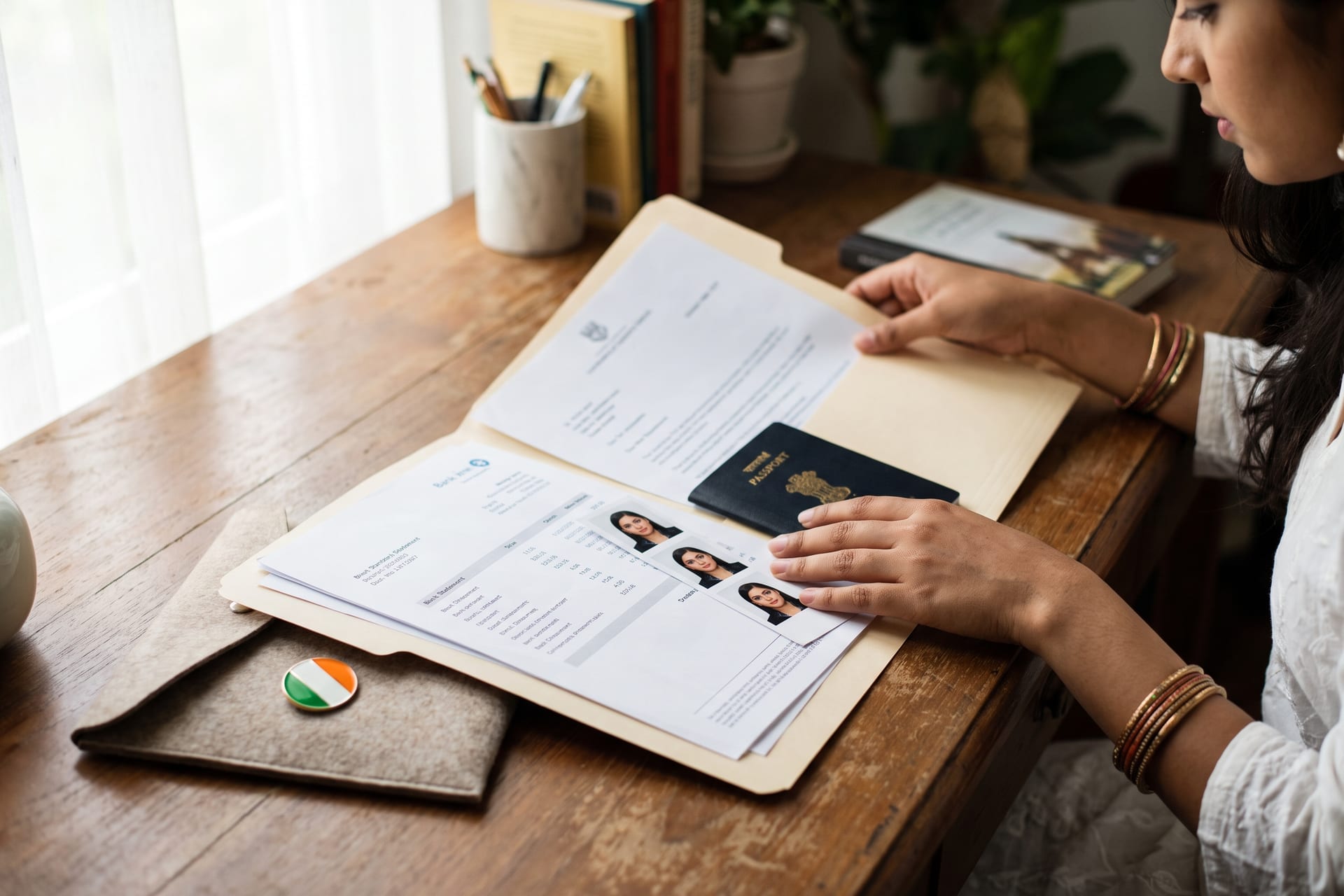

The visa process may seem tricky at first. But once you know what to prepare, it gets much easier. This is especially true if you plan to study in Ireland. Many applicants choose a foreign consultancy team in Surat because they need guidance and want to avoid the stress of the application process. Success with the Ireland visa application requires keeping documents neat, complete, and accurate.
The 2026 Ireland student visa requirements focus on several key items. You must have evidence of identity, admission, funds, and documents to prove that you are prepared to take the course. The entire process can be made easier when these papers are organized accordingly. A clean file can save time, lessen confusion, and increase your chances of proceeding without any hassle.
Passport and Application Form
A valid passport is required. Make sure it won't expire within 12 months of your travel date. You also need to fill out the visa application form and include recent passport-size photos. Any small mistake could cause delays, so check all details before moving forward.
Admission Letter and Fee Receipt
One of the most significant papers in the entire file is your admission letter. It needs to be issued by an accredited college or university in Ireland and must specify your course name, starting date, and course length. In case you have paid a part of the tuition fee, you should keep the receipt too. It shows you've taken a clear step in your study plan. You're serious about joining the course.
Academic Records and English Proof
You must present your past academic history. This consists of mark sheets, certificates, transcripts, and any other documents associated with your studies. These documents assist in demonstrating that you are qualified to undertake the course that you have chosen. Students are also required to provide evidence of the English language, in most instances, in the form of IELTS or some other recognized test. This is a significant part since your classes will most likely be taught in English.
Financial Documents
A key part of a visa file is money proof. Ireland wants to see that you can pay your tuition and live there. Depending on your situation, you may need bank statements, sponsor letters, fixed deposit papers, or other financial records. Make sure these documents are recent, clear, and easy to read.
It assists in keeping your financial file simple and in order. If a sponsor provides the money, you must demonstrate your relationship and their source of funds. Stable support is what visa officers desire, not abrupt activity that appears to be vague or in a hurry. Therefore, make it all authentic and well-balanced with the rest of your application.
Health Insurance and Travel Proof
Another aspect of the process is the health cover. Students who visit Ireland are normally supposed to carry their own medical insurance. This provides you with assistance in case you require medical assistance on arrival. You also need to have your travel plan, where possible, and any other documents that relate to booking that will help you demonstrate your intentions to study and remain in the right direction.
In case of a previous visa refusal, it should not be concealed. Rather, attach the refusal letter with any explanation where necessary. It is always better to be open than to make gaps. The impression of a complete file is more convincing than that of a file that appears to be patched.
Extra Documents That Help
Accommodation proof, a study plan, or a brief personal statement might also be included by some students. These are not mandatory, but will help your position. In some cases, it can also be helpful if you have a scholarship letter, work experience record, or old travel history. Do not make your file cluttered with haphazard papers. Add only what is in support of your story.
Final Checklist Before Submission
Rewrite all the pages before submitting. Make sure that you check your name spelling, date of birth, passport number, and details on the course. Ensure that the documents are clear, readable, and in the correct order. Even a minor mismatch can cause problems in the future, and it is worth making the final look slow.
It is also prudent to have photocopies and electronic copies of all papers. By doing that, you can respond fast in case something is requested in the future. When you remain prepared, calm, and careful, the visa process to Ireland becomes a lot easier.
Conclusion
The process of preparing an Ireland student visa application is not all about paperwork. It is a matter of creating a file with your statement of purpose that is written concisely and candidly. With your passport, admission letter, academic records, proof of funds, and insurance all in place, this process becomes much less terrifying. This is why a significant number of students also use overseas education services to remain organized and avoid last-minute issues.
FAQs
1. What are the main documents required for an Ireland student visa?
The requirements are usually a valid passport, an acceptance letter in an Irish college, evidence of tuition payment, evidence of funds, academic record, English test results, and private medical insurance.
2. How much money do I need for an Ireland student visa in 2026?
For the majority of long-term study visas, you have to demonstrate access to funds to cover the cost of living and the cost of the course. The general advice is approximately €10,000 during the first year, plus tuition fees and evidence of funds for subsequent years.
3. Is IELTS required for an Ireland student visa?
IELTS is not necessarily required for the visa itself, but most colleges require some evidence of English proficiency during admission. Scores on accepted English tests can help to prove your application and demonstrate your preparedness to study in Ireland.
4. Do I need to pay my tuition fee before applying?
Yes, in most instances, you are required to submit a payment of fees or a part payment receipt with the visa file. Some institutions and visa regulations require evidence that you have already paid a portion of the course fee.
5. Can I apply for an Ireland student visa without health insurance?
No, in the majority of cases, it is necessary to have private medical insurance. It is among the supporting documents that help show that you are ready to stay in Ireland.