
Quick Answer to Study in Germany for Free: Public Universities Explained
German public universities charge little or no tuition to international students, with most states levying only a small semester contribution. The cost that remains is living expenses, which you must evidence through a blocked account funded for your first year. Admission also requires APS certification for Indian students. Free tuition is real, but the documentation requirements are stricter than most destinations. Global Colliance helps students compare total cost across destinations and build the financial evidence each visa route requires.
One of the biggest reasons Indian students look to Germany is the chance to earn a world-class degree without paying tuition. The idea that you can study in Germany free at public universities is genuinely true, but there are important details to understand about what free really means and what costs still apply. This guide explains exactly how tuition-free education works, the remaining expenses and how to make the most of this remarkable opportunity, based on our experience placing Indian students in German universities.
How You Can Study in Germany Free
Germany is one of the few countries where public universities charge no tuition fees for most undergraduate and many master's programmes, and this applies to international students too, including Indians. The German government believes education is a public good, and it funds its universities so that talented students are not excluded by cost, which is exactly why so many families now look to Germany.
This tuition-free model covers the large majority of public institutions across the country, from major cities to well-regarded regional universities. It means an Indian student can graduate from a globally respected German university having paid little or nothing in tuition, an opportunity that is almost impossible to match in the UK, USA, Canada or Australia.
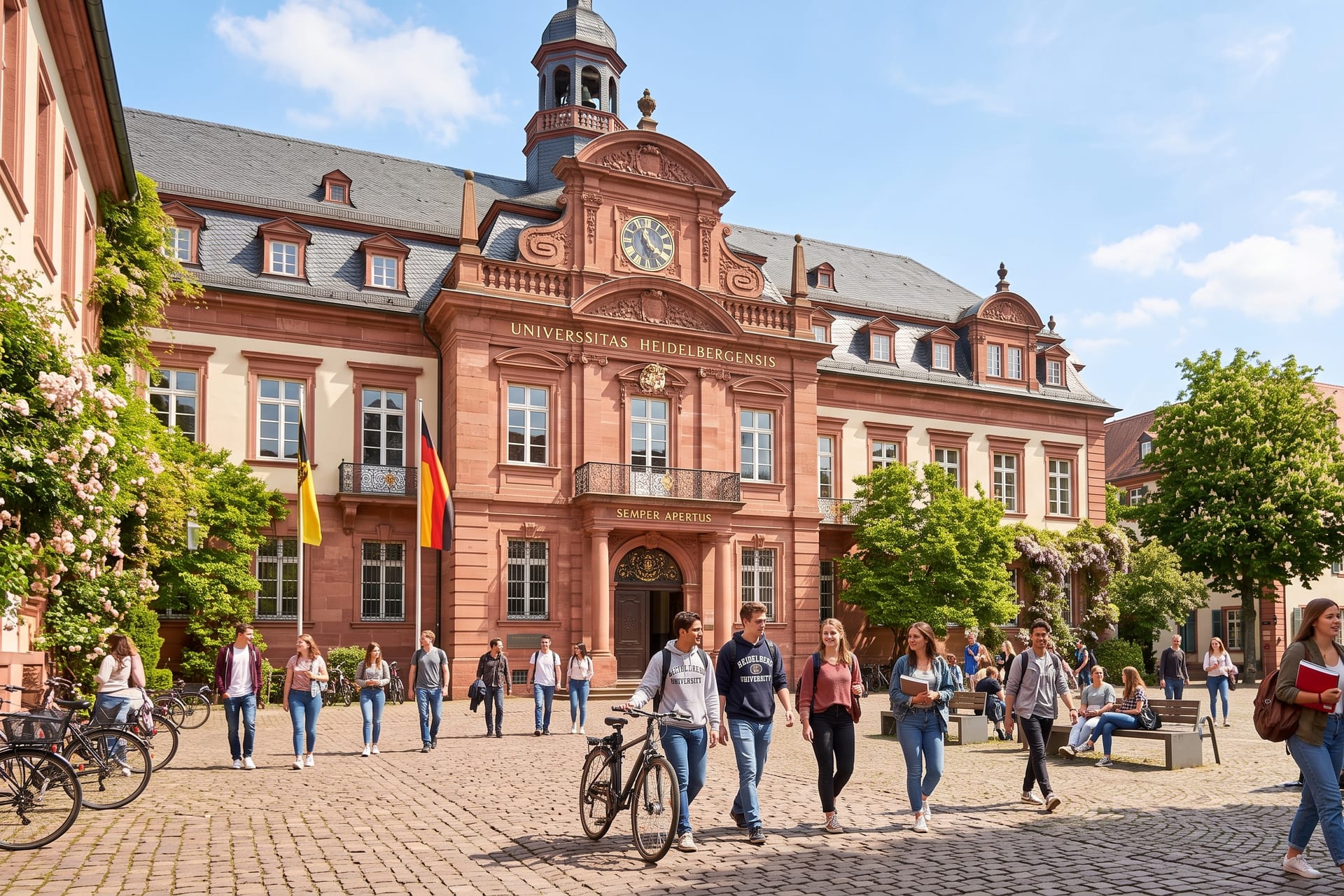
The one notable exception is the state of Baden-Wurttemberg, home to universities like Heidelberg and Stuttgart, which charges non-EU students around 1,500 EUR per semester. Even this remains modest compared with tuition elsewhere, so the promise that you can study in Germany free holds true across most of the country.
What Free Really Means When You Study in Germany
It is important to understand that tuition-free does not mean cost-free. While you may pay no tuition, every student pays a small semester contribution, typically between 150 EUR and 350 EUR, which often includes a public transport ticket for the city or region and covers student services and administration.
Living costs are the real expense of studying in Germany. You will need to budget for rent, food, health insurance, study materials and personal expenses, which together come to roughly 900 EUR to 1,100 EUR per month depending on the city. Munich and Frankfurt are pricier, while cities in the east tend to be more affordable.
Understanding this distinction early helps you plan a realistic budget. The savings on tuition are enormous, but you still need to demonstrate that you can support yourself, which is why Germany requires proof of funds through a blocked account before granting your student visa.
English-Taught Programmes at Free German Universities
A common worry is that studying in Germany requires fluent German. In reality, German universities now offer hundreds of programmes taught entirely in English, particularly at master's level in engineering, computer science, data science, management and the natural sciences, allowing Indian students to study comfortably.
You can explore official listings of English-taught courses on the official DAAD website, which is the authoritative source maintained by the German Academic Exchange Service. These databases let you filter by subject, level and language so you can quickly find tuition-free programmes that fit your background.
That said, learning German remains highly valuable for daily life, part-time work and internships, and it becomes essential if you intend to stay and work after graduation. We usually advise students to begin learning basic German alongside their application, even when their programme is fully in English.
Admission Requirements to Study in Germany Free
To study at a tuition-free German university, you must meet the academic entry requirements of your chosen programme. For master's courses this typically means a relevant bachelor's degree with good grades, while some competitive programmes also expect GRE scores or relevant work experience.
Indian students must also have their academic documents verified through the APS certificate, a mandatory step that confirms the authenticity of your qualifications before admission and the visa. Language requirements apply too, meaning IELTS, TOEFL or PTE for English programmes and a recognised German qualification for German-taught courses.
Meeting these requirements precisely is essential, because German universities are rigorous about eligibility. A strong, well-documented academic profile not only secures admission but also supports your credibility at the visa stage, so both parts of your application must align clearly.
The Cost of Living While You Study in Germany Free
Since tuition is largely covered, your main financial planning revolves around living costs. Germany requires you to show proof of funds, currently 11,904 EUR for one year, deposited in a blocked account, which works out to 992 EUR per month that you can withdraw once you arrive.
This figure reflects a realistic monthly budget for a student. Rent is usually the largest item, followed by health insurance, which is mandatory and costs around 120 EUR per month for public coverage. Food, transport and personal expenses make up the rest of a typical student's spending.
Because you can work part-time while studying, many students offset a meaningful share of these costs. The combination of no tuition, manageable living expenses and the right to work is what makes Germany so attractive and genuinely affordable for Indian students and their families.
Work Rights That Support Studying in Germany
Germany allows international students to work up to 140 full days or 280 half days per year, giving you a practical way to support your living costs and gain valuable experience. Many students take on roles as student assistants, in hospitality, retail or tutoring alongside their studies.
Working as a student assistant, known as a HiWi role, is particularly valuable because it connects you to your field and your university department. These positions often lead to research opportunities, references and a stronger professional network that supports your career after graduation.
After completing your degree, Germany offers an 18-month post-study residence permit to seek employment, and its strong economy means excellent job prospects in engineering, IT and other fields. This pathway from free education to a professional career is a major reason Germany appeals to Indian students.
How Global Colliance Helps You Study in Germany Free
Navigating admissions, the APS certificate, the blocked account and the visa together can feel complex, which is where expert guidance makes a real difference. Our Germany student visa consultants help you shortlist tuition-free programmes, complete the APS process, arrange your finances and file an accurate visa application under one roof.
You can also explore our full range of destinations and services on the Global Colliance homepage. With experienced support at every stage, your plan to study in Germany becomes clear, well-timed and far less stressful, giving you the best possible chance of admission and approval.
We have guided many Indian students through the German system, and we know exactly how the pieces fit together. That practical experience means we can anticipate requirements, prevent common mistakes and keep your application moving smoothly from your first counselling session to your arrival on campus.
Planning Your Timeline to Study in Germany Free
Because admissions, the APS certificate and the visa each take time, planning your timeline early is the single biggest factor in a smooth journey. German universities have two main intakes, the larger winter intake beginning in October and a smaller summer intake in April, each with its own application deadlines.
Working backwards from your intended intake, you need time for language and standardised tests, the APS verification, university applications, opening a blocked account and the visa itself. Beginning around a year in advance gives you a comfortable buffer and lets you respond calmly to any requests along the way.
Students who plan early consistently submit stronger applications and secure their preferred intake. Treating the whole journey, from testing to arrival, as one connected timeline rather than a series of separate tasks is the surest way to make the most of Germany's tuition-free opportunity.
Our wider guide to studying in Germany in 2026 puts the tuition-free universities alongside living costs and the visa process.
Torn between two countries? Our guide to Germany vs France for masters compares admissions, language, fees and work rights side by side.
FAQs About Study in Germany for Free
Can Indian students really study in Germany for free?
Yes. Most German public universities charge no tuition fees, even for international students, so Indian students can earn a respected degree while paying only a small semester contribution. You still need to cover living costs, which is why proof of funds is required.
Is studying in Germany completely free of all costs?
No. Tuition is free at most public universities, but you still pay a semester contribution of 150 EUR to 350 EUR and must budget for living costs of roughly 900 EUR to 1,100 EUR per month, including mandatory health insurance.
Do I need to speak German to study in Germany for free?
Not necessarily. German universities offer hundreds of English-taught programmes, especially at master's level. However, learning German helps with daily life, part-time work and staying on to work after graduation.
Which German state charges tuition fees?
Baden-Wurttemberg charges non-EU students around 1,500 EUR per semester. Most other states remain tuition-free for international students at public universities.
How much money do I need to study in Germany for free?
You must show proof of funds of 11,904 EUR for one year in a blocked account, which equals 992 EUR per month for living expenses once you arrive in Germany.